Roller Shades vs Cellular Shades for Your Home

A west-facing window in San Francisco may need glare control by late afternoon, while a Marin bedroom may call for better insulation on cool mornings. That is why the choice between roller shades vs cellular shades should begin with how each room is used, not simply which product looks best in a sample book. Both can be beautifully tailored, precisely fitted, and motorized. Their performance, proportions, and visual character differ significantly.
The Essential Difference Between Roller and Cellular Shades
Roller shades use a single, flat panel of fabric that rolls neatly onto a tube at the top of the window. The fabric can be sheer, solar-screening, light-filtering, room-darkening, or blackout, with an exceptionally broad range of colors, textures, and patterns. When raised, the shade has a clean, compact profile that keeps attention on the architecture, view, or surrounding furnishings.
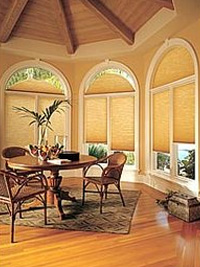
Cellular shades, often called honeycomb shades, are made from pleated fabric that forms air-trapping cells. This construction gives them their recognizable texture and energy-saving advantage. The cells create an insulating layer at the glass, helping reduce heat gain, heat loss, and the sensation of cold windows.
Neither option is inherently better. Roller shades are often the stronger design choice for clean lines, large expanses of glass, and controlled views. Cellular shades are often the stronger functional choice when temperature management, soft light, and flexible privacy matter most.
When Roller Shades Are the Better Fit
Roller shades have a subtle presence with flat fabric and minimal stack, fitting modern, transitional, and commercial spaces where order matters. They also suit traditional homes in textured linen-look fabric or with drapery for softness. For homes with dramatic Bay views, mature landscaping, or carefully framed architecture, roller shades disappear more fully when raised than most cellular styles. A recessed pocket, fabric-wrapped fascia, or carefully selected exposed hardware can make the installation feel integrated rather than added on.
You Need Precise Solar Control Without Losing Daylight
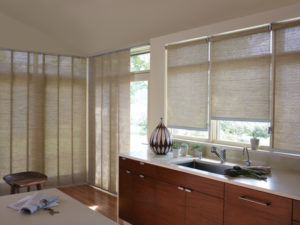
Solar roller shades are particularly effective in living rooms, home offices, and glass-heavy spaces. Their openness factor determines how much of the view and daylight remains visible while reducing glare and ultraviolet exposure. A more open weave preserves a stronger view; a tighter weave provides more shade and privacy.
This distinction matters in a sun-facing room. Solar fabric can make a laptop screen usable and protect furnishings from harsh light without darkening the room. For bedrooms or media rooms, room-darkening and blackout roller fabrics offer more dramatic light control, though some light can still enter at the sides unless the shade is designed with side channels or a more enveloping installation.
You are Furnishing Wide or Unusually Shaped Windows
Roller shades are well suited to broad windows, sliding glass doors, and large banks of glazing. Depending on the fabric and system, they can cover substantial widths with a streamlined appearance. They are also a common choice for commercial offices, conference rooms, and hospitality spaces that need consistent sun control across multiple openings.
For especially large or high windows, motorization is more than a luxury. It provides smooth operation, protects the fabric from frequent handling, and makes difficult-to-reach shades practical to use every day.
When Cellular Shades Are the Better Fit
Cellular shades earn their reputation through construction, not marketing. The honeycomb-shaped pockets of air help slow heat transfer at the window, a meaningful benefit for bedrooms, nurseries, older homes, and rooms with extensive glass. Single-cell styles provide a slimmer profile, while double-cell options can deliver stronger insulation.
In the Bay Area, where homes can experience warm afternoon sun followed by noticeably cool evenings, this buffer can improve comfort throughout the day. Cellular shades will not replace proper glazing or address every draft, but they can be a valuable part of a thoughtful energy strategy.
You Want Privacy With Daylight From Above
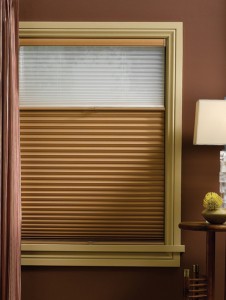
One of the most useful cellular shade configurations is top-down/bottom-up. It lets the shade lower from the top while staying closed across the lower portion of the window. Natural light enters high on the wall, while sightlines at eye level remain protected.
This is especially appealing in street-facing bedrooms, bathrooms, and closely spaced homes. It offers a softer alternative to leaving a roller shade fully raised or lowering it enough to block much of the room’s daylight.
You Prefer a Soft Layered Appearance
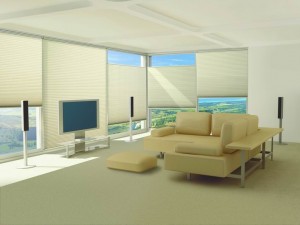
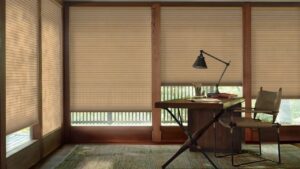
Cellular shades have gentle horizontal pleats that bring warmth to a room without the fullness of drapery. They are available in crisp whites, quiet neutrals, and richer colors, along with light-filtering and blackout options. The pleated surface is more visible than a flat roller fabric, which can be an advantage in interiors that need texture and softness.
Their stack is generally larger than that of a roller shade when fully raised. On shallow windows, or where every inch of glass matters, review this detail during measuring and product selection.
Roller Shades vs Cellular Shades at a Glance
For view preservation and a minimal aesthetic, roller shades usually lead. A solar roller shade can control glare while maintaining a connection to the outdoors, making it a natural choice for view-facing living areas and workspaces. Cellular shades can still filter light beautifully, but their pleated construction and fabric opacity do not provide the same outward clarity.
For insulation, cellular shades are the clear advantage. Their cells add a layer of thermal performance that a standard flat roller shade cannot match. If energy efficiency is central to the project, cellular shades deserve serious consideration, particularly on bedroom windows and colder exposures.
For privacy, the answer depends on fabric selection and operation. A light-filtering roller shade offers daytime privacy but may reveal silhouettes at night when interior lights are on. Cellular shades in an appropriate opacity can provide stronger around-the-clock privacy, and top-down/bottom-up functionality adds another level of control. Blackout fabrics improve darkness, but no interior shade is automatically light-tight without the right installation details.
For styling flexibility, roller shades offer a wider fabric vocabulary, from subtle woven textures to bold prints and solar-screen materials. Cellular shades offer a more specific visual language: tailored, softly pleated, and quietly functional. Both can be specified as cordless or motorized systems for a cleaner look and safer operation.
Motorization Changes the Everyday Experience
Both shade types are excellent candidates for motorization, especially in homes with tall windows, multiple shades in one room, or changing light conditions throughout the day. A motorized roller shade can lower automatically during the brightest afternoon hours, then rise to restore a view. Motorized cellular shades can be scheduled for privacy in the evening and opened in the morning without handling each window individually.
The best system depends on the project. Rechargeable battery-powered operation can be an elegant solution for finished spaces, while hardwired systems are often ideal during construction or major renovation. Premium control platforms can coordinate shades by room, time of day, or scene, and may integrate with broader lighting and home automation plans.
For designers and commercial specifiers, it is wise to discuss power, control locations, window dimensions, fabric opacity, and installation conditions early. These details influence the finished appearance as much as the shade selection itself.
How to Make the Right Selection for Each Room
A well-designed home often uses both products. Roller shades may be the right answer in a view-facing great room, kitchen, or office, where a clean presentation and solar control are essential. Cellular shades may serve bedrooms, guest rooms, and private street-facing spaces where insulation and adaptable privacy take precedence.
Start with the moments that matter most in the room: morning light, screen glare, nighttime privacy, exterior views, temperature swings, and how often the shades will be adjusted. Then consider the window depth, available mounting space, fabric palette, and whether the treatment should recede or become part of the décor.
A professional consultation helps turn those priorities into a complete specification, rather than a compromise based on a small swatch. At Blinds & Designs, that process can include evaluating the light at your windows, coordinating materials with the interior, and selecting an operating system that fits how you live.
The most successful window treatments do not announce themselves every time you enter a room. They quietly manage the light, protect privacy, support comfort, and make the architecture look even more considered.
Solar Shades vs Cellular Shades in Hillsborough and San Francisco CA Areas
Blinds & Designs offers a full line of quality window treatments to homeowners and commercial clients throughout the San Francisco Bay Area and Marin County areas, including Burlingame, Hillsborough, Atherton, and Los Altos. With an ongoing commitment to high quality products and exceptional service, we’ve been serving our communities for over 26 years.
Stop by our showrooms in San Francisco or Belvedere-Tiburon to see a variety of motorization displays in our showroom or call 415-921-4212 Ext 101 for more information.