Motorized Shades Comparison for Smart Homes
When a room has beautiful architecture, expensive finishes, and carefully selected furnishings, the wrong shade system stands out fast. That is why a thoughtful motorized shades comparison matters. The right system should do more than raise and lower on command. It should fit the scale of the windows, the way the room is used, the wiring conditions of the home, and the level of design polish you expect every day.
For Bay Area homeowners and professionals, motorization is now a practical choice for managing glare, privacy, UV protection, and convenience, especially in homes with large glass areas or hard-to-reach openings. In commercial spaces, it enhances comfort, energy efficiency, and client experience. The key question isn’t whether to consider motorized shades, but which system suits your space best.
Motorized Shades Comparison Starts With How You Live
The biggest mistake people make is comparing products only by price or app features. A better starting point is daily use. A media room, a street-facing bedroom, a south-facing great room, and a conference space all ask different things from a motorized shade.
If convenience is your main concern, battery-powered shades with remote or app control may suffice. For integrated scenes, whole-home automation, or frequent use, hardwired systems offer better performance and consistency. In highly design-driven rooms, fabric, hembar style, shade pocket details, and visual stacking may be as important as the control method.
That is why premium projects usually benefit from a consultative approach. A shade is part electrical product, part architectural finish, and part light-control tool. Good results come from evaluating all three.
Comparing Power Options
Power source changes the installation process, maintenance expectations, and how neatly a system integrates into the room.
- Battery-Powered Motorized Shades
- Battery-powered shades are often the easiest way to add motorization in an existing home. They can work very well in retrofit situations where opening walls is not desirable. They are especially appealing for bedrooms, living rooms, and secondary spaces where clean installation matters but construction access is limited.
- The trade-off is maintenance. Batteries eventually need replacement or recharging, and frequency depends on shade size, fabric weight, usage, and exposure. For a small number of windows, that may be perfectly reasonable. For a home with many motorized shades, the maintenance schedule becomes a real consideration.
- Hardwired Motorized Shades
- Hardwired systems are typically the preferred choice for new construction, major remodels, and larger-scale projects. They eliminate battery replacement and are well suited to heavier shades, larger windows, and more demanding automation plans.
- They do require planning early in the project. Wiring paths, power locations, recessed pockets, and access for installers should all be coordinated before finish work is complete. When that happens, the result is usually cleaner and more integrated. For high-end homes and commercial applications, hardwired often feels like the more permanent solution because it is.
Control Systems Are Not All Equal
A control method can look impressive in a showroom but feel frustrating in real life if it does not match the user.
- Remote, Wall Switch, App, or Full Automation
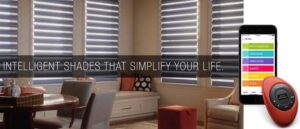
- Some clients want a simple handheld remote and a wall keypad near the entry. Others want shades tied into scenes such as Good Morning, Entertain, or Movie Time. Still others want solar schedules that automatically respond to the time of day.
- This is where products from brands such as Lutron and Hunter Douglas PowerView® Automation often enter the conversation. Both are strong options, but they can serve slightly different priorities depending on the project. Some clients care most about advanced integration and keypad aesthetics. Others prioritize fabric assortment, shade style variety, or ease of use within a broader window treatment package.
- A strong motorized shades comparison should ask whether everyone in the home will actually use the controls comfortably. The best system is not always the one with the longest feature list. It is the one that feels intuitive day after day.
Shade Type Affects Performance as Much as the Motor
Motorization gets the attention, but the shade itself still does the real work of filtering light, preserving views, and shaping the look of the room.
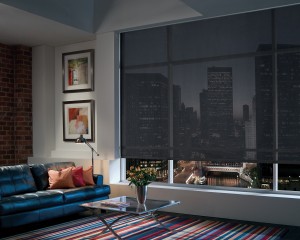
- Roller Shades
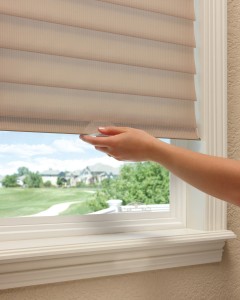
- Roman shades bring softness and a more decorative look. Motorization can be a major advantage here, especially when shades are mounted high or used in multiples. The trade-off is that Roman shades generally involve more fabric and stack differently when raised, so proportions and fabrication quality matter.
- Roman Shades
- Roman shades bring softness and a more decorative look. Motorization can be a major advantage here, especially when shades are mounted high or used in multiples. The trade-off is that Romans generally involve more fabric and stack differently when raised, so proportions and fabrication quality matter.
Dual Shades and Layered Solutions
Some projects need more than one answer. A solar shade may handle daytime glare, while drapery or a blackout layer supports privacy and sleep at night. Dual-shade systems can be extremely effective, but they require more careful specification because brackets, pockets, and clearances become more complex.
Fabric Selection Can Make or Break the Result
Clients often focus on the motor first, then choose fabric quickly. In reality, fabric has a huge effect on comfort and appearance.
In a west-facing room, a sheer or high-openness material may preserve view but still allow too much glare in late afternoon. In a bedroom, a beautiful woven texture may look perfect and still fail to darken the space enough for restful sleep. In a conference room, the wrong fabric can leave screens washed out during presentations.
This is where expert guidance matters. A successful specification balances openness, privacy, color, texture, and performance. Lighter fabrics can preserve a bright interior feel, but they may behave differently depending on orientation and sun exposure. Darker fabrics can reduce glare more effectively in some situations, yet may change the mood of the room. There is no universal best choice. There is only the right choice for that room.
Installation Details Matter More Than Most Buyers Expect
A motorized system can be excellent on paper and still disappoint if installation planning is weak.
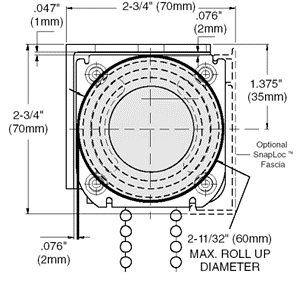
Recess depth, trim interference, jamb conditions, power access, Wi-Fi reliability, and window dimensions all shape the final result. Oversized windows may need specific tube diameters or motor strengths. Rooms with multiple shade bands should align precisely. Pocket details should be coordinated before drywall if you want a more concealed look.
For professionals, this is crucial. Architects, builders, and interior designers need product choices that match design goals and schedules. Homeowners benefit from fewer surprises and a polished finish. Many premium buyers prefer a full-service partner over coordinating products, electricians, and installers separately.
Motorized Shades Comparison by Project Type
In existing homes, battery-powered systems often win on convenience and reduced disruption. They can deliver a meaningful upgrade without opening walls, and for many clients that makes them the smart answer.
In custom homes and major remodels, hardwired motorized shades usually offer the strongest long-term value. They support a cleaner installation, reduce maintenance, and integrate more naturally with lighting and control systems.
For commercial spaces, durability, repeatability, and solar management tend to drive the decision. Products such as MechoShades are frequently considered when performance across multiple windows and daily operation are top priorities.
For design-led residential projects, the best option is often the one that disappears into the room visually while improving the way the space feels. That may mean roller shades concealed in pockets, Romans with tailored fabric selection, or layered systems that balance daylight and privacy with more nuance.
What to Prioritize When Choosing a System
If you are comparing options seriously, focus on five things: power source, control style, shade type, fabric performance, and installation conditions. Price matters, but it should be weighed against maintenance, longevity, finish quality, and daily experience.
Working with a specialist offers more than samples and brochures. It helps you navigate trade-offs early, preventing costly revisions. At Blinds & Designs, this process transforms a product choice into a solution that looks good, performs well, and feels easy to live with.
The best motorized shade is rarely the flashiest one. It is the one that quietly improves the room every morning, every afternoon, and every time the light changes.
Window Treatments Automation Solutions in Marin County and San Francisco CA Areas
-Blinds & Designs offers a full line of quality window treatments to homeowners and commercial clients throughout the San Francisco Bay Area and Marin County areas, including Burlingame, Hillsborough, Atherton, and Los Altos. With an ongoing commitment to high quality products and exceptional service, we’ve been serving our communities for over 26 years.
Stop by our showrooms in San Francisco or Belvedere-Tiburon to see a variety of motorization displays in our showroom or call 415-921-4212 Ext 101 for more information.