
Custom Drapery Installation Services That Fit
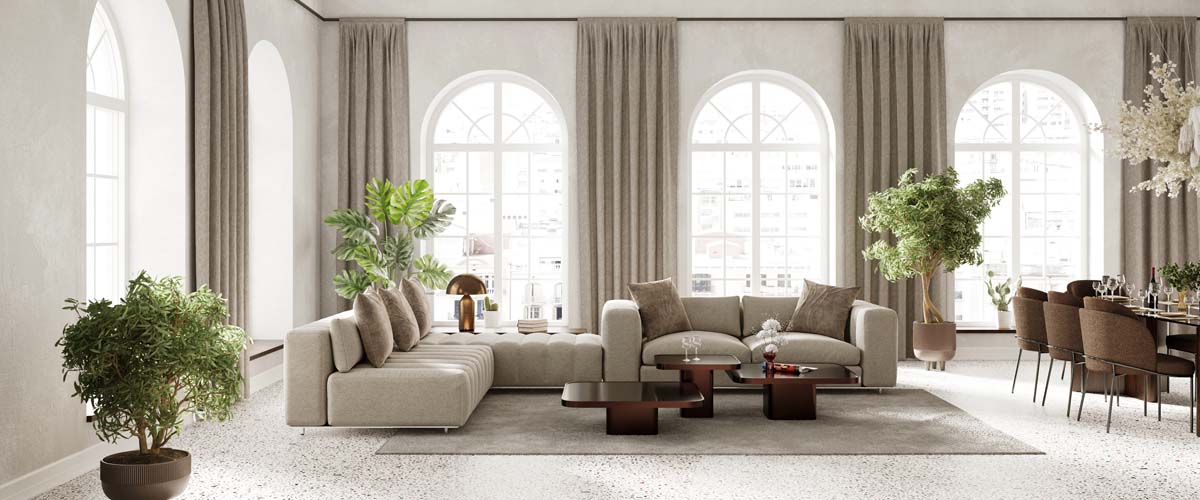
A beautifully selected drapery fabric can lose much of its impact when it is hung too high, too narrow, or on hardware that does not support its weight. Custom drapery installation services turn a fabric selection into a finished architectural detail, with proportions, placement, and operation considered from the start. For Bay Area homes with distinctive views, tall ceilings, changing light, and varied architectural styles, that level of care makes a visible difference every day.
Drapery is often chosen for softness and visual warmth, but it also needs to perform. It can frame a view without overwhelming it, improve privacy after sunset, filter intense afternoon sun, and add a sense of finish to a room that blinds or shades alone may not provide. The right result depends on more than the panel itself. It depends on accurate measurement, appropriate hardware, proper fullness, and experienced installation.
Why Custom Drapery Installation Services Matter
Custom drapery is not a one-size-fits-all product. A panel that looks generous in a showroom may appear skimpy across a wide wall of glass. A rod that is strong enough for stationary linen panels may not be the correct choice for lined velvet drapery intended to open and close daily. Even a small mounting error can make ceiling lines look uneven or prevent panels from stacking cleanly off the window.
Professional installation addresses the details that are easy to overlook during selection. The installer evaluates where the hardware should sit, what it needs to anchor into, how far it should project from the wall, and whether moldings, window handles, sprinklers, or door swings affect the design. This is particularly valuable in San Francisco and Marin homes, where historic trim, plaster walls, angled ceilings, and expansive contemporary glazing can each call for a different approach.
The goal is not simply to hang drapery. It is to make the treatment look intentional from every angle while ensuring it operates as expected.
Proportion Changes the Entire Room
Mounting drapery near the ceiling can add perceived height, while extending the rod beyond the window opening allows more glass to remain visible when the panels are open. Those decisions should be tailored to the room, not applied as a rule without context. In a room with ornate crown molding, for example, the best placement may differ from a minimalist space with floor-to-ceiling windows.
Panel width and fullness matter just as much. Sheer drapery needs enough fabric to retain a soft, consistent appearance when closed. Decorative side panels may require a different calculation than fully functional blackout drapery. An experienced team considers fabric weight, lining, pattern repeat, pleat style, and the desired stack-back before fabrication is finalized.
Start With How the Room Needs to Work
The strongest drapery plans begin with daily use. A formal dining room may need elegant panels that remain largely stationary, while a primary bedroom may require room-darkening drapery that closes reliably every night. A living room facing strong western exposure may benefit from a layered solution: solar shades for daytime glare management and drapery for softness, privacy, and evening light control.
This is where a design consultation provides real value. Rather than selecting fabric in isolation, the planning process considers the room’s orientation, privacy needs, furniture placement, existing window treatments, and the way residents move through the space. A treatment should feel beautiful at noon and useful at 10 p.m.
For commercial settings, the questions can be more technical. Hospitality spaces may need drapery that withstands frequent use while supporting a refined interior concept. Offices can benefit from coordinated shades and decorative drapery that manage glare without creating a sterile environment. Healthcare, multifamily, and public-facing properties may also have requirements related to durability, maintenance, or fire-rated materials.
Stationary, traversing, or motorized?
How the drapery will operate shapes the hardware and installation plan. Stationary panels are an excellent choice when the primary purpose is framing a window, softening a wall, or adding color and texture. They can be especially effective alongside roller shades, woven shades, or shutters that provide the main privacy and light-control function.
Traversing drapery is designed to open and close by hand or with a wand. It is well suited to doors, large windows, and rooms where adjustable coverage is needed. The track must be level, securely mounted, and specified for the panel weight and configuration. A center-draw treatment, for instance, operates differently from a one-way draw, and the stack position needs to be planned around the architecture.
Motorized drapery offers another level of convenience. It can be especially helpful for high windows, large spans, hard-to-reach locations, and households that value automated daily routines. Systems can be coordinated with motorized shades and controlled by a remote, wall control, app, or compatible home automation platform. Motorization is not necessary for every room, but it is often a worthwhile consideration when drapery will be used frequently or when manual operation would be inconvenient.
Hardware Is Part of the Design
Hardware should support the visual language of the room as carefully as the fabric does. A sleek metal rod may suit a contemporary Tiburon residence, while a more substantial decorative rod can complement traditional millwork in a classic San Francisco home. Tracks can be recessed, surface-mounted, concealed behind a valance, or paired with a decorative fascia depending on the desired appearance.
The design choice is only half the equation. Hardware must also be appropriate for the application. Heavy interlined panels require greater support than lightweight sheers. Long spans may need center supports or a specialized track to prevent sagging. Ripplefold, pinch pleat, grommet, and tailored pleat headings each have their own hardware requirements and visual character.
A thoughtful specification prevents common disappointments, such as rings that catch, panels that drag, rods that flex, or brackets that interrupt the clean movement of a traversing treatment. Quality hardware is not an accessory added at the end. It is the structure that allows custom drapery to look and function as intended.
What a Professional Installation Process Looks Like
At Blinds & Designs, drapery projects are approached as a coordinated design and technical service. The process begins with understanding the room and its priorities, then translating that information into fabric, hardware, and operation choices that work together.
Precise field measurements are taken before fabrication. This protects against costly surprises and ensures that details such as floor clearance, sill depth, window trim, and obstacles are accounted for. Measurements are also used to determine panel widths, finished lengths, return depth, hardware placement, and the amount of fabric required for proper fullness.
Once the custom drapery is ready, installation is completed with attention to alignment and operation. Hardware is mounted securely, panels are dressed and adjusted, and the installer checks that they hang evenly, stack properly, and move smoothly. If motorization is included, controls are tested and settings are reviewed so the client can use the system confidently.
This level of coordination is especially helpful when drapery is being installed alongside Roman shades, roller shades, shutters, or automated systems. The layers need to clear one another, look balanced, and serve distinct functions without crowding the window.
Layering Drapery With Other Window Treatments
Drapery and shades are often strongest together. Shades can provide precise daytime light control and privacy, while drapery brings dimension, acoustical softness, and a more finished decorative effect. In bedrooms, a blackout shade paired with lined drapery can provide excellent darkness and insulation. In living areas, a solar shade can preserve the view while filtering glare, with sheer or decorative panels adding warmth.
Layering also allows more flexibility than asking one treatment to do everything. A sheer panel alone will not provide the privacy of an opaque shade after dark. Heavy blackout drapery may be more coverage than a view-oriented room needs during the day. The best combination depends on the architecture, exposure, and lifestyle of the people using the space.
For designers, builders, and architects, coordinated window treatments make it easier to deliver a complete interior rather than a last-minute finishing detail. Planning early can accommodate recessed pockets, electrical needs for motorization, and mounting conditions before walls are closed or finishes are complete.
Choosing a Partner for Custom Drapery
Look for a provider that can speak confidently about both design and installation. Fabric expertise matters, but so does the ability to specify tracks, assess mounting surfaces, coordinate motorization, and solve challenges on site. A provider should ask thoughtful questions about use, not just color and pattern.
Local experience also matters. A team familiar with Bay Area residences and commercial properties understands the practical realities of older construction, coastal light, tall glass, compact urban rooms, and the premium finish expectations of custom projects. The best outcome comes from a process that respects the architecture while reflecting the client’s style.
Well-installed drapery should feel effortless once it is in place. It should open smoothly, fall beautifully, complement the room’s proportions, and make the space more comfortable at every hour. When the planning is thorough and the installation is precise, custom drapery becomes one of the details that makes a room feel truly complete.
Custom Drapery in San Francisco, Burlingame CA Areas
Blinds & Designs offers a full line of quality window treatments to homeowners and commercial clients throughout the San Francisco Bay Area and Marin County areas, including Burlingame, Hillsborough, Atherton, and Los Altos. With an ongoing commitment to high quality products and exceptional service, we’ve been serving our communities for over 26 years.
Stop by our showrooms in San Francisco or Belvedere-Tiburon to see a variety of motorization displays in our showroom or call 415-921-4212 Ext 101 for more information.