Wood Blinds vs Faux Wood for Bay Area Homes
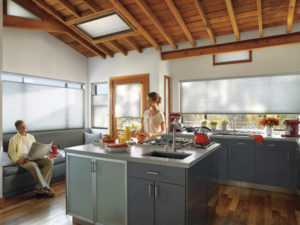
A kitchen window above a busy sink needs different treatment than a sunlit living room overlooking the Bay. The decision between wood blinds and faux wood should start with the room, architecture, and your lifestyle, not just a color sample. Both offer clean lines, adjustable privacy, and timeless appeal, but their materials behave differently over time.
For refined interiors or commercial spaces, choose based on warmth and practical needs. Natural wood adds depth and character, while faux wood handles moisture, heat, and daily wear better. Having a thoughtful selection ensures the window treatment feels intentional, not just covered.
Wood Blinds vs Faux Wood: The Essential Difference
Wood blinds are crafted from real hardwood, often basswood or another lightweight, stable species. Their slats have natural grain variation, subtle tonal shifts, and an organic texture that gives a room dimension. They are especially compelling in spaces where furnishings, millwork, flooring, and architectural details are designed to work together.
Faux wood blinds are made from engineered materials, commonly PVC, composite wood, or a blend of polymers and wood-based fibers. They are designed to capture the look of painted wood while providing greater resistance to humidity and moisture. Quality faux wood products have come a long way, with cleaner finishes and more convincing colors than many homeowners expect.
The distinction is not simply real versus imitation. It is about where each material delivers the greatest value. In a dry, design-forward room where beauty and a lighter visual profile lead the conversation, real wood may be the natural choice. In a bathroom, laundry room, or busy rental property, faux wood can be the more confident long-term specification.
When Real Wood Blinds Are Worth the Investment
Real wood blinds have a visual quality that is difficult to reproduce. The grain catches changing daylight, while painted, stained, and specialty finishes can complement cabinetry, furniture, exposed beams, and hardwood flooring. In homes with traditional detailing, coastal influences, or warm contemporary palettes, wood blinds add softness without the bulk of fabric.
They also work beautifully where the windows themselves are an architectural feature. A well-proportioned wood blind can frame tall windows in a Pacific Heights home, bring warmth to a Marin living room, or add a tailored finish to a library, study, or dining room. Choosing a slat size that suits the window’s scale is just as important as choosing the finish.
A lighter Option for Large Windows
Real wood is generally lighter than faux wood. That difference matters on wider or taller windows, where the blind must be raised and lowered regularly. A lighter blind puts less strain on operating components and can be easier to handle, particularly when several windows are operated throughout the day.
This also applies to motorized window treatments. Larger blinds require careful product selection, proper mounting, and a control solution suited to the window dimensions. A design consultation helps determine whether wood blinds, an alternative blind construction, or a different window treatment altogether will give you the cleanest, most dependable result.
A More Custom Design Statement
Wood blinds tend to offer richer stain options and a more furniture-like finish. For homeowners investing in a whole-home remodel, that level of coordination can justify the added cost. The material feels considered, not generic, and it often supports the quiet luxury that comes from using fewer, better finishes.
Real wood does require the right environment. Keep it away from sustained humidity, direct splashing, and extreme temperature changes. In coastal Bay Area homes, that means considering each room individually rather than assuming one material should be used everywhere.
Where Faux Wood Blinds Perform Best
Faux wood is the clear contender for high-humidity rooms. Bathrooms, laundry rooms, kitchens, pool houses, and utility areas can expose window treatments to steam, splashes, and frequent cleaning. Unlike natural wood, faux wood is less likely to warp, crack, or fade under those conditions.
For a kitchen, placement matters. A window across the room from the sink may still suit wood blinds if ventilation is strong and moisture exposure is limited. A window directly behind a sink, however, calls for a more forgiving material. Faux wood provides the tailored look of horizontal slats without making the homeowner worry about everyday water exposure.
Durability for Active Households and Commercial Use
Faux wood blinds are also well suited to spaces where durability takes priority. They tolerate frequent use and wipe clean easily, making them practical for homes with children and pets, rental properties, and commercial offices. In a workspace where multiple people adjust windows, a dependable, low-maintenance finish is often the better business decision.
That said, not every faux wood blind is made alike. Lower-quality products can look overly plastic, bow on wide spans, or feel heavy in operation. Premium materials, accurate measuring, and professional installation make a noticeable difference in alignment, light control, and longevity.
A Strong Value Proposition
Faux wood often costs less than real wood, particularly when covering multiple windows. It can be an excellent way to create a consistent look throughout secondary bedrooms, utility spaces, or a large commercial project while directing more of the design budget toward feature rooms.
Value is not only about the initial price. It also includes how well the blind holds up in its environment, how often it needs attention, and whether it continues to look appropriate alongside the rest of the interior. The best value is the option that performs well for years without compromising the finished design.
Comparing Style, Light Control, and Privacy
Both materials give you the fundamental benefits of horizontal blinds: precise tilt control, adjustable privacy, and the ability to filter sunlight without closing off the room. Tilted slats can reduce glare on screens and protect furnishings from intense sun while preserving some connection to the view. When closed, blinds provide meaningful privacy, though small light gaps are normal in slatted products.
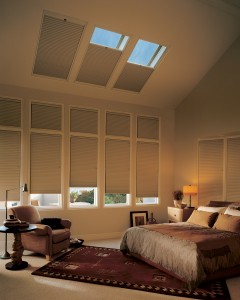
For bedrooms, media rooms, or street-facing windows that need greater room darkening, a blind alone may not be enough. Layering it with custom drapery or side panels can improve light control, add acoustic softness, and create a more finished composition. This approach is especially effective in San Francisco homes, where street exposure, changing light, and close neighboring buildings can all affect privacy needs.
Color deserves close attention. White and soft neutral faux wood can feel crisp in a bath or kitchen, while stained wood can echo cabinetry and bring visual weight to a living area. Avoid selecting a finish in isolation. View samples against the wall color, trim, flooring, and the daylight that enters that specific room.
Installation Details That Affect the Final Result
Even a beautiful blind can disappoint if it is not properly specified. Inside mounting creates a clean, built-in look, but the window opening must be deep enough and reasonably square. Outside mounting can cover shallow or uneven windows, increase privacy, and reduce light gaps around the edges.
Slat width changes the blind’s appearance and function. Narrower slats can suit smaller windows and traditional interiors. Wider slats often feel more contemporary, provide a clearer view when open, and make a stronger visual statement on large windows. The right choice depends on proportion, not trend alone.
Cordless operation is a refined choice for many homes, offering a cleaner appearance and improved safety. Motorization can be valuable for hard-to-reach windows, large groups of blinds, and rooms where convenience is part of the design brief. For a full-home project, coordinated controls can make everyday light management feel effortless while protecting interiors from harsh afternoon sun.
How to Choose With Confidence
Choose real wood when the room is dry, the visual impact of authentic grain matters, and a lighter, more elevated material supports the overall design. Choose faux wood when humidity, easy care, durability, or budget are leading factors. Many successful homes use both: wood blinds in principal living spaces and bedrooms, faux wood in bathrooms, laundry rooms, and other moisture-prone areas.
At Blinds & Designs, the most successful projects start with the entire window and the life happening around it. Bring together your finish samples, room priorities, and practical concerns before deciding. The right blind should look at home on day one and still feel like the right choice after years of sun, use, and changing routines.
Wood Vs Faux Wood Blinds in Marin and San Francisco CA Areas
Blinds & Designs offers a full line of quality window treatments to homeowners and commercial clients throughout the San Francisco Bay Area and Marin County areas, including Burlingame, Hillsborough, Atherton, and Los Altos. With an ongoing commitment to high quality products and exceptional service, we’ve been serving our communities for over 26 years.
Stop by our showrooms in San Francisco or Belvedere-Tiburon to see a variety of motorization displays in our showroom or call 415-921-4212 Ext 101 for more information.