Best Window Treatments for Privacy
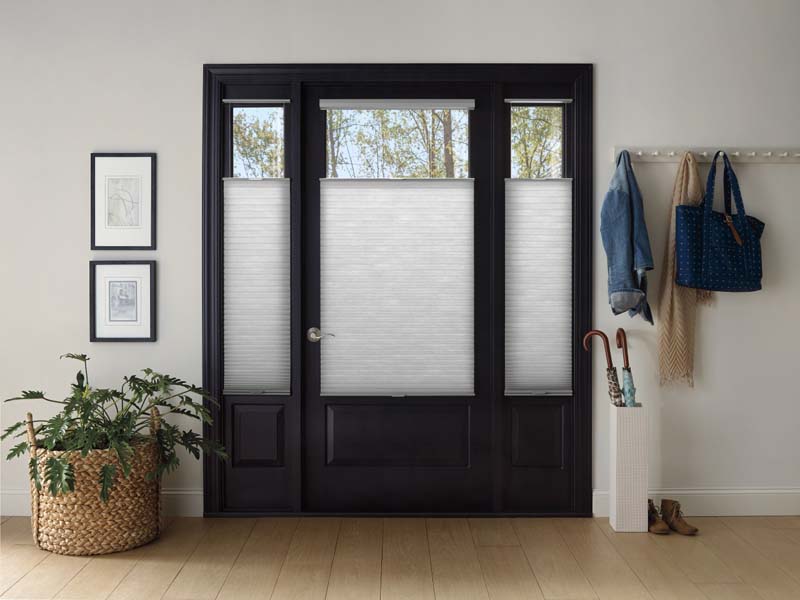
Street-facing windows can make a beautiful room feel exposed fast. If you are weighing the best window coverings for privacy, the right answer is rarely just “pick the darkest shade” or “add heavier fabric.” Privacy depends on where the window faces, how much light you want to keep, whether you need daytime or nighttime coverage, and how polished the finished room should feel.
For most homes, the best solution balances three things at once: privacy, light control, and design. That is why privacy-focused window treatments tend to work best when chosen based on how a room is used, not just on how they look in a sample book. A bedroom, a front living room, and a bathroom may all need privacy, but they do not need it in the same way.
What Are the Best Window Coverings for Privacy?
Privacy is not a single feature. It is a mix of opacity, fit, adjustability, and placement. A woven material can soften a room beautifully, but if it is too open, silhouettes may still be visible at night. A blind may give you adjustable slats, but if there are large side gaps or the window is tall and directly exposed, the coverage may feel incomplete.
That is why custom sizing. A well-fitted treatment closes light gaps, sits correctly within the frame or over it, and performs more predictably throughout the day. In higher-end homes and professionally designed spaces, this difference is obvious. The treatment looks better, but more importantly, it works better.
The strongest privacy options usually fall into a few categories: shades with privacy or blackout fabrics, shutters with adjustable louvers, layered drapery, and dual-treatment combinations that shift with the time of day.
Shades Offer Privacy Without Making a Room Feel Closed Off
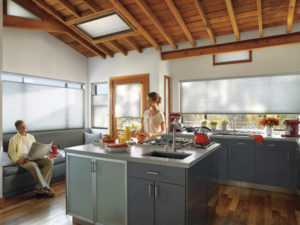
Cellular shades are one of the most practical options for privacy. They provide a soft, tailored look and excellent coverage, and they also add insulation. In bedrooms, media rooms, and homes where energy efficiency matters, they are a strong choice. Light-filtering cellular shades can protect privacy while still allowing a gentle glow, while blackout versions are better where complete coverage matters more.
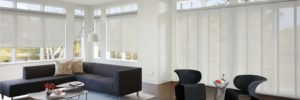
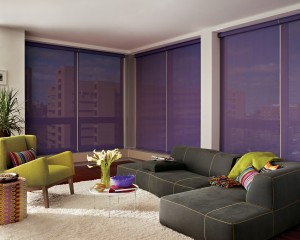
Roller shades are another favorite, especially in contemporary homes. Their simplicity is part of the appeal, but privacy performance depends heavily on fabric selection. Some screen fabrics preserve outward views during the day yet offer very little privacy once interior lights come on. For front-facing rooms, that trade-off surprises people. If nighttime privacy is a priority, a true privacy fabric or a dual-shade setup is usually the better move.
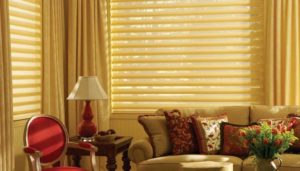
Roman shades add softness and decorative appeal. They work well in bedrooms, dining rooms, and formal living spaces where privacy matters, but so does warmth. Lined Roman shades can provide excellent coverage, and they are especially effective when the goal is to make a room feel finished rather than purely functional.
Are Blinds the Best Window Coverings For Privacy?
Blinds can work very well for privacy, but they are not always the most complete solution on their own. Their advantage is flexibility. You can tilt the slats to block direct views while still admitting natural light, which is useful in kitchens, offices, and street-facing living areas.
Wood and faux-wood blinds remain popular because they suit many architectural styles and offer more day-to-day control than a fixed shade. That said, blinds do have limits. Even when closed, small gaps between slats can allow some visibility, especially at night. They also do less to soften acoustics or add insulation than some fabric-based treatments.
If a room needs both privacy and a more elevated finish, blinds are often best when paired with drapery or a valance. That combination gives the room a stronger visual presence and improves the sense of coverage without sacrificing adjustability.
Shutters for Long-Term Privacy and Architectural Value
For homeowners who want a more permanent, built-in look, shutters are among the best window coverings for privacy. They offer excellent control, substantial visual presence, and a polished appearance that works particularly well in Bay Area homes with classic, transitional, or coastal architecture.
The louvers can be adjusted to direct light while limiting outside views, and the frame creates a more finished enclosure than many off-the-shelf products. Shutters also hold up well over time, which matters in high-use rooms and homes where quality is expected to last.
They do come with trade-offs. Shutters are a larger investment, and because they are visually prominent, they shape the room more than a recessed shade might. In a minimalist interior, it can either be a design asset or too much structure, depending on the space. But where privacy, durability, and resale appeal all matter, shutters are often a very smart choice.
Drapery Adds Privacy and Softens the Room
Drapery is sometimes overlooked in privacy discussions because people assume it is mainly decorative. In reality, it can be one of the most effective privacy treatments available, especially when panels are lined and properly scaled.
In bedrooms, layered drapery can create strong nighttime privacy and noticeably improve light control. In living rooms, drapery panels can beautifully frame a window while fully closing when needed. For tall windows and large expanses of glass, drapery often succeeds where smaller treatments feel underpowered.
The key is tailoring. The wrong fullness, length, or lining can make drapery look thin or purely ornamental. The right fabrication gives it weight, elegance, and real functional value. This is also where design expertise matters. Privacy should not come at the cost of proportion or refinement.
Layered Window Treatments Usually Perform Best
If a client asks for a single solution that addresses privacy, light control, softness, and flexibility, layered treatments are often the answer. A shade paired with side panels, or a blind paired with drapery, solves multiple problems at once.
For example, a light-filtering shade may provide daytime privacy, while decorative drapery closes for evening coverage. A solar roller shade may reduce glare and preserve the view, while a second blackout or privacy layer handles nighttime needs. This kind of combination is especially useful in primary suites, front-facing family rooms, and homes with large custom windows.
It is also one of the most design-friendly approaches. Layering adds depth and finish, allowing the room to feel intentional rather than purely utilitarian.
Daytime Versus Nighttime Privacy
This is where many window treatment decisions go wrong. A fabric that seems private at noon can become transparent at 8 p.m. once the lights are on inside. That does not mean the product is poor quality. It simply means its performance changes with lighting conditions.
Daytime privacy usually depends on reducing outside visibility while still allowing natural light in. Nighttime privacy usually requires an opaque fabric, tighter closure, or a second layer. If the room is regularly used after dark and visible from the street or neighboring properties, plan for that from the start.
Bathrooms and bedrooms typically call for stronger privacy protection. Street-level living rooms, entry-adjacent spaces, and home offices often require a more balanced solution that preserves daylight while minimizing interior exposure.
Motorization Simplifies Privacy Management
A privacy solution only works if people use it. That is one reason motorized shades become such a strong choice in luxury homes and well-designed commercial spaces. They remove friction. With the touch of a button or on a schedule, coverings can lower at sunset, adjust for glare, or close in rooms facing neighboring homes.
Motorization is especially useful for hard-to-reach windows, large walls of glass, and households that want privacy without constantly managing each window by hand. Systems from brands such as Lutron and PowerView®Automation can also support a cleaner look by reducing cords and improving everyday convenience.
For clients balancing aesthetics with smart-home expectations, automation is not just a technology upgrade. It is a practical privacy tool.
Choosing the Right Privacy Window Treatment Per Room
The best answer changes from room to room. Bedrooms usually benefit from lined Roman shades, blackout roller shades, cellular shades, or a combination of drapery and shades. Bathrooms often need moisture-conscious materials and stronger opacity, which makes shutters or privacy shades a good fit. Living rooms may call for layered treatments that preserve daylight while improving evening coverage. Offices and conference rooms often need a more technical solution that manages both privacy and glare.
That is why a guided selection process matters. In a premium home or commercial project, the goal is not simply to cover glass. It is selecting a treatment that fits the architecture, supports the room’s function, and feels right every day. At Blinds & Designs, that consultative approach is what turns a privacy concern into a finished solution that looks as good as it performs.
If you are deciding between options, start by asking a more useful question than “What is most private?” Ask what kind of privacy the room actually needs, and when. That answer usually leads to a better window covering and a better room.
Best Window Treatments for Privacy in the San Francisco and Surrounding Areas
Blinds & Designs offers a full line of quality window treatments to homeowners and commercial clients throughout the San Francisco Bay Area and Marin County areas, including Burlingame, Hillsborough, Atherton, and Los Altos. With an ongoing commitment to high quality products and exceptional service, we’ve been serving our communities for over 26 years.
Stop by our showrooms in San Francisco or Belvedere-Tiburon to see a variety of motorization displays in our showroom or call 415-921-4212 Ext 101 for more information.